
Where this comes from.
Tarot and astrology are old. We didn't invent them. We just read them a particular way. Here's the ground we stand on.
The deck.
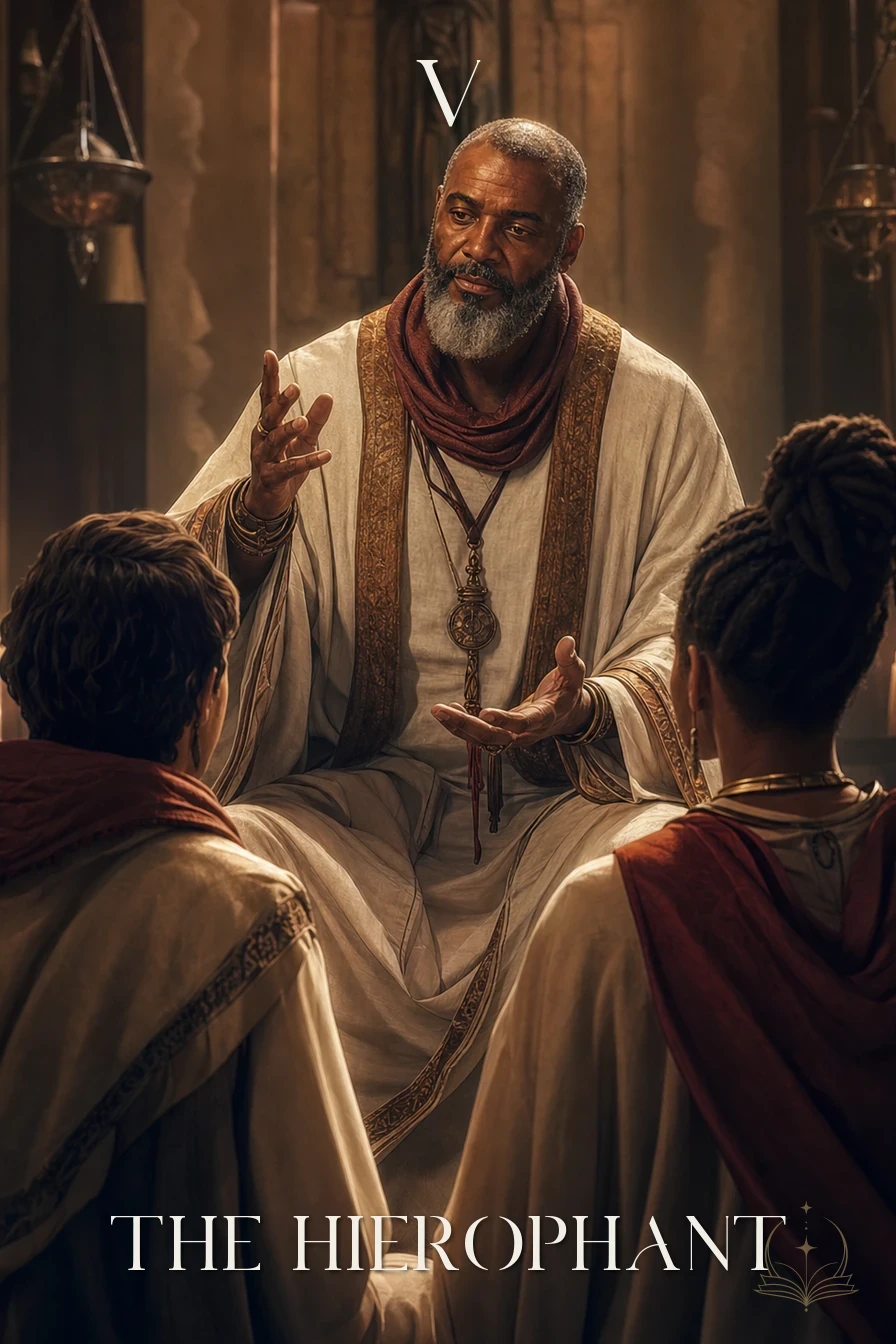
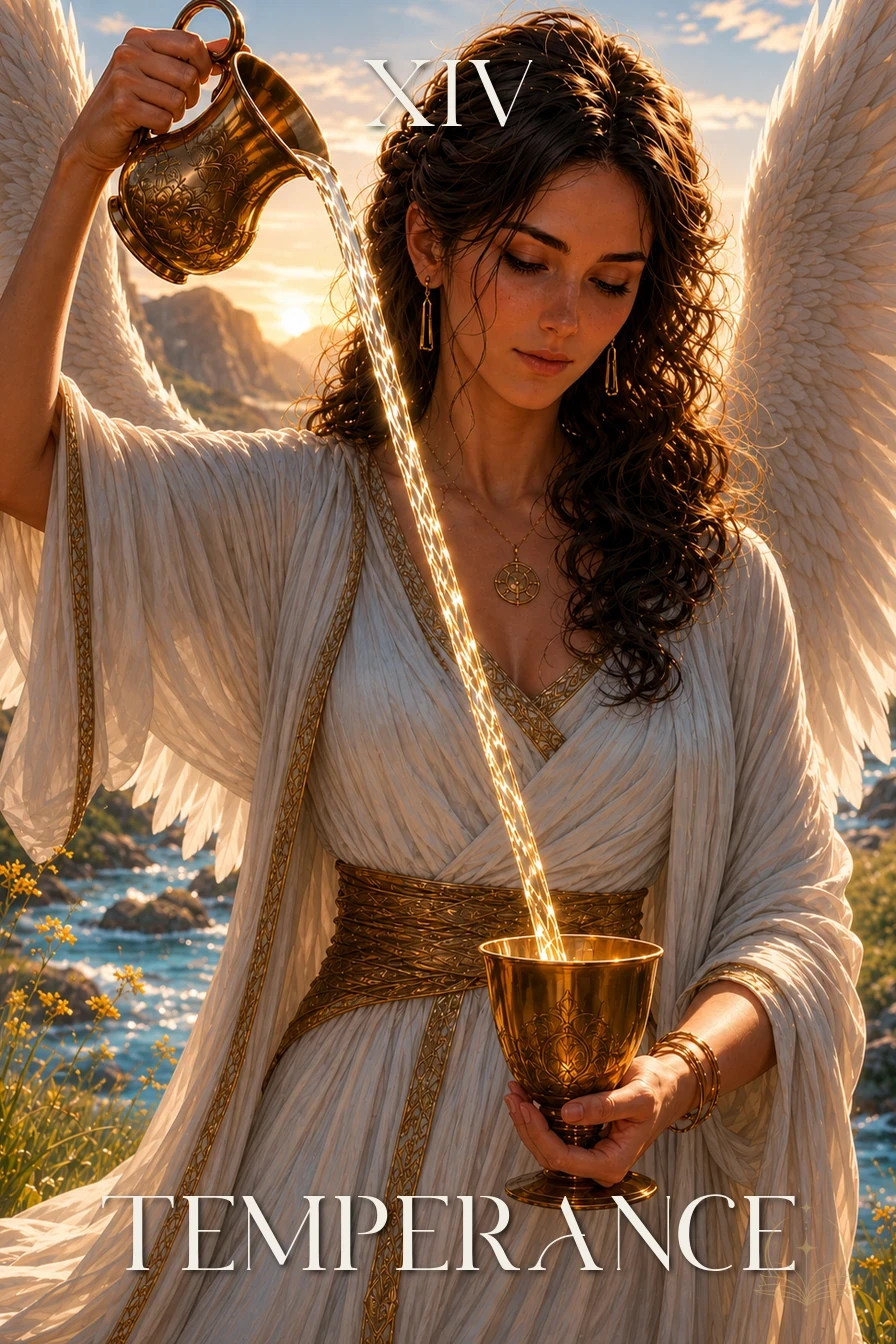
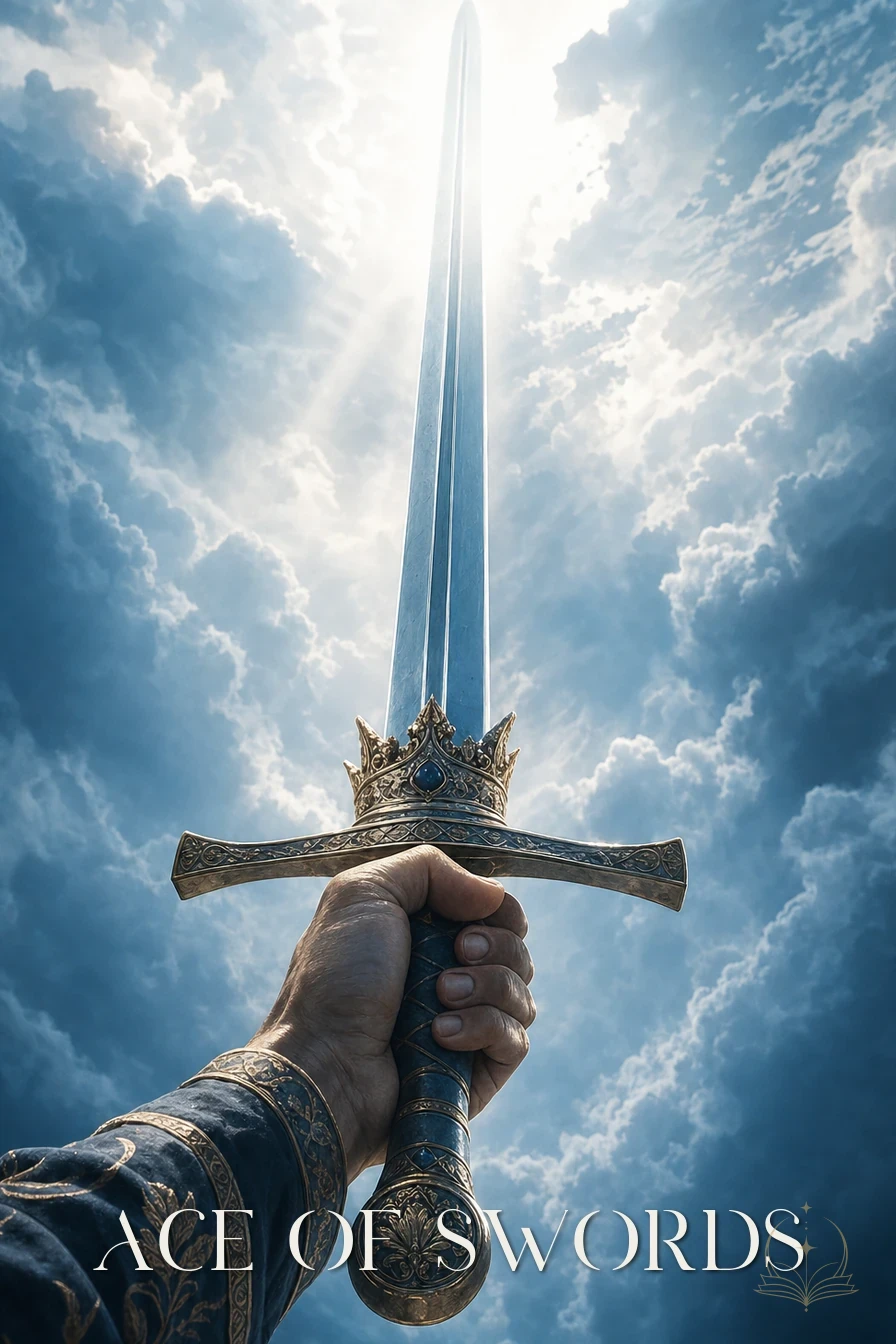
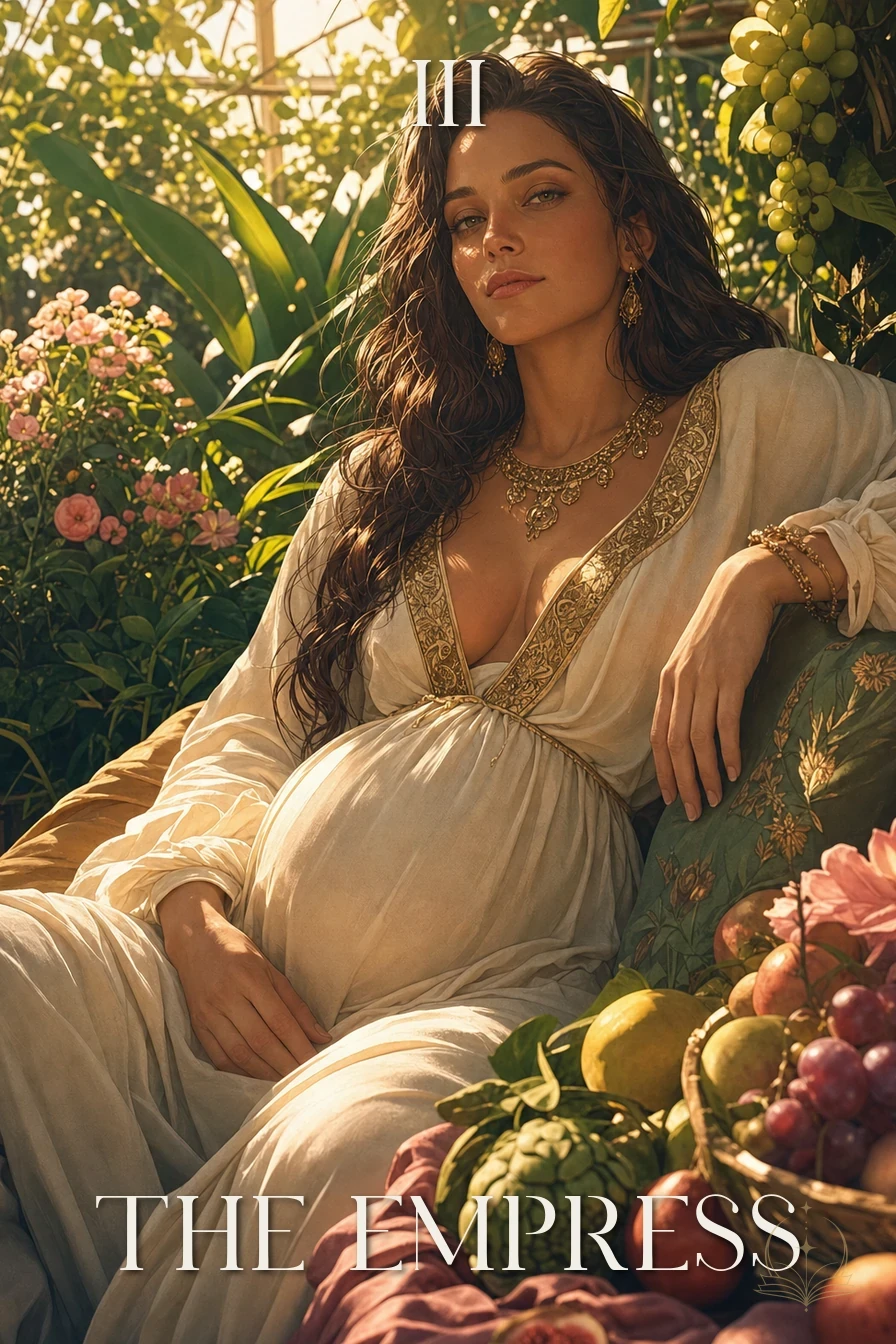
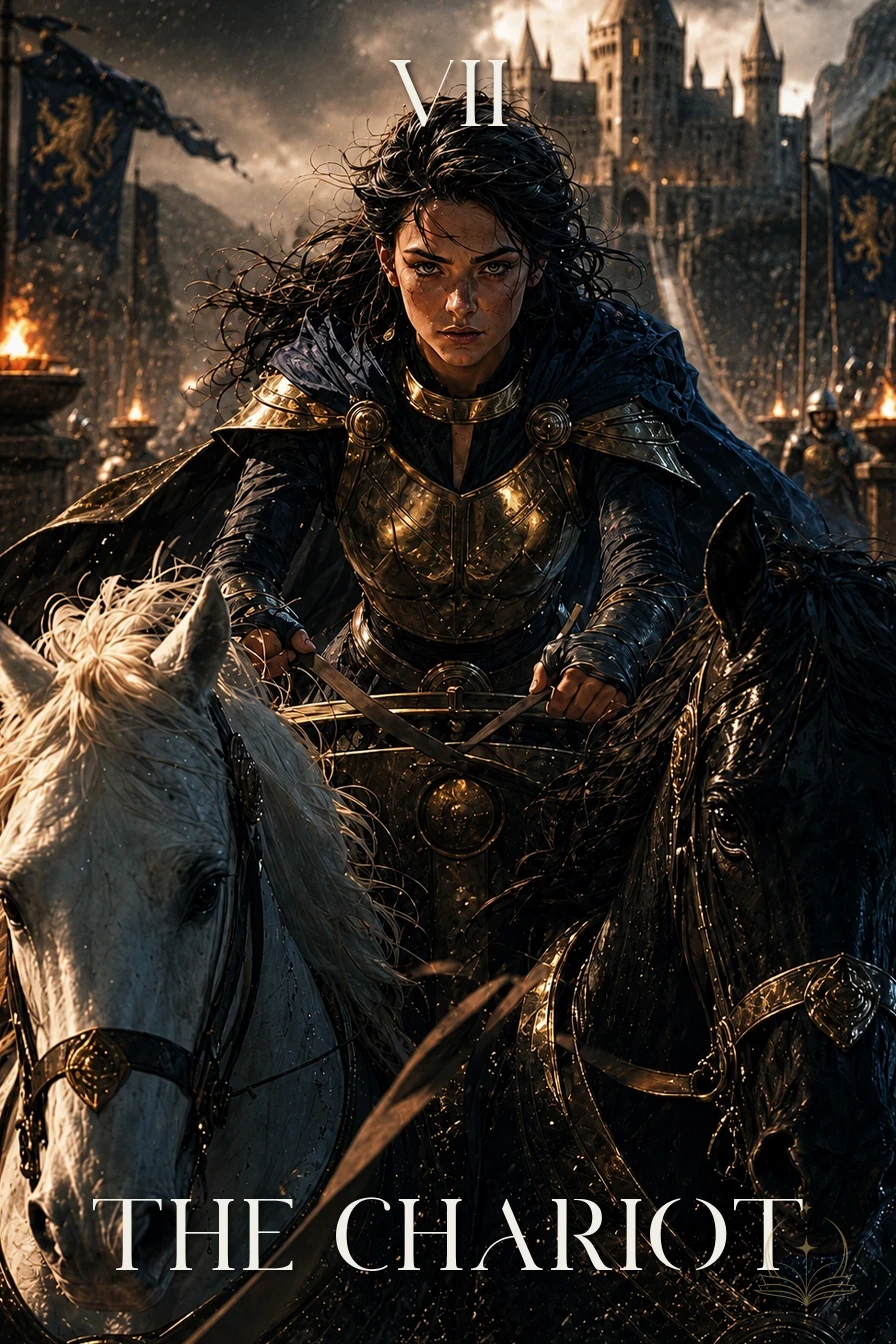
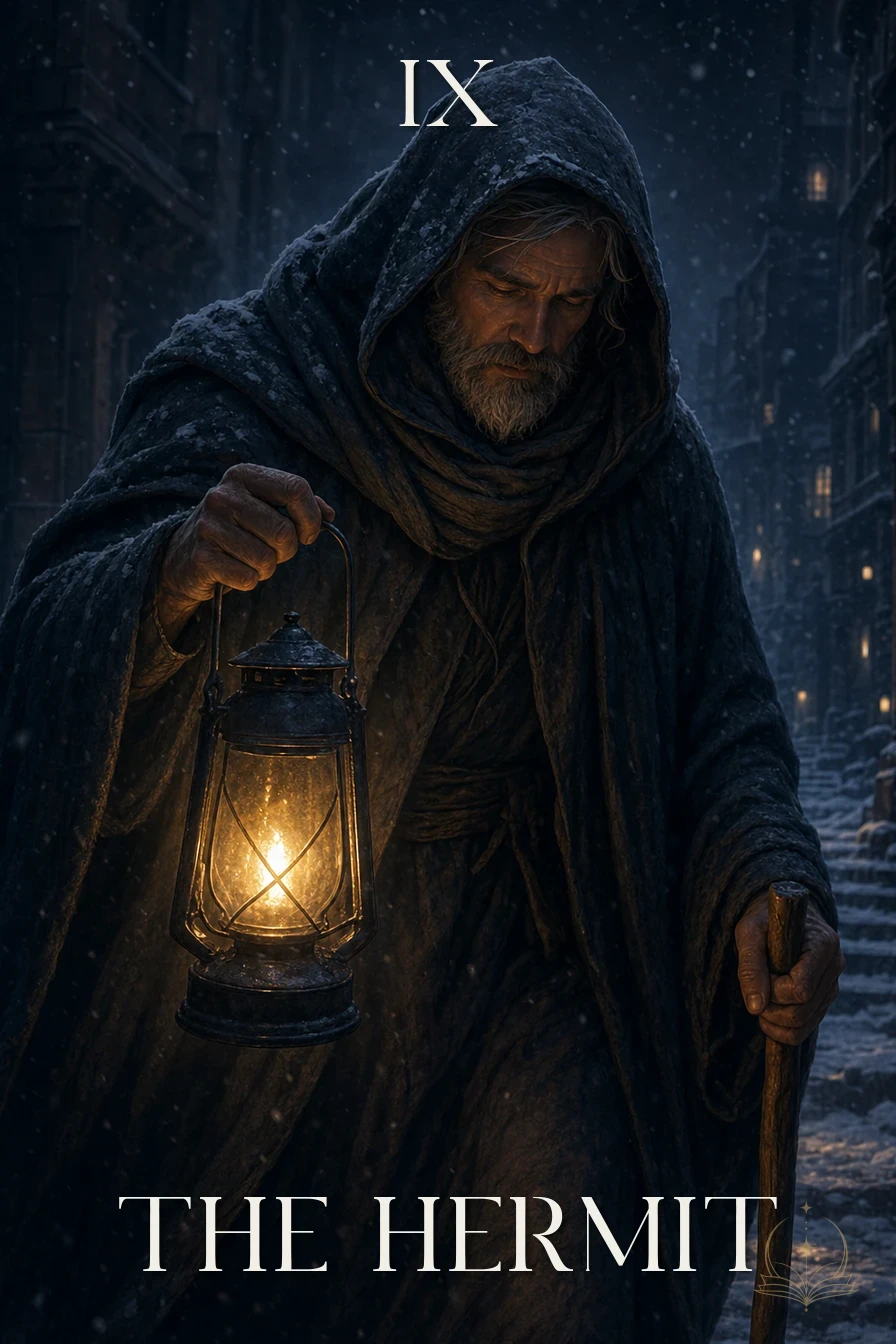
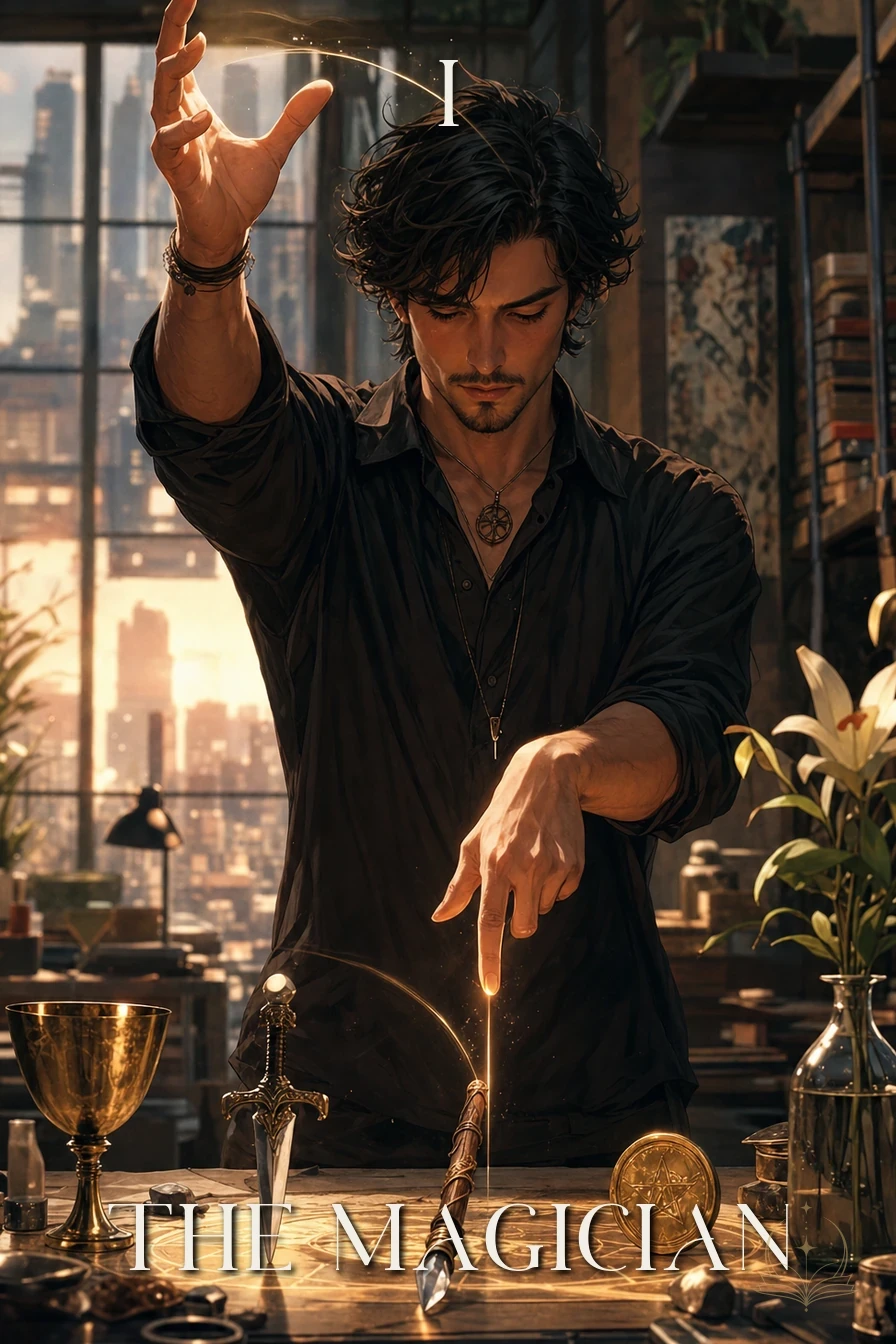
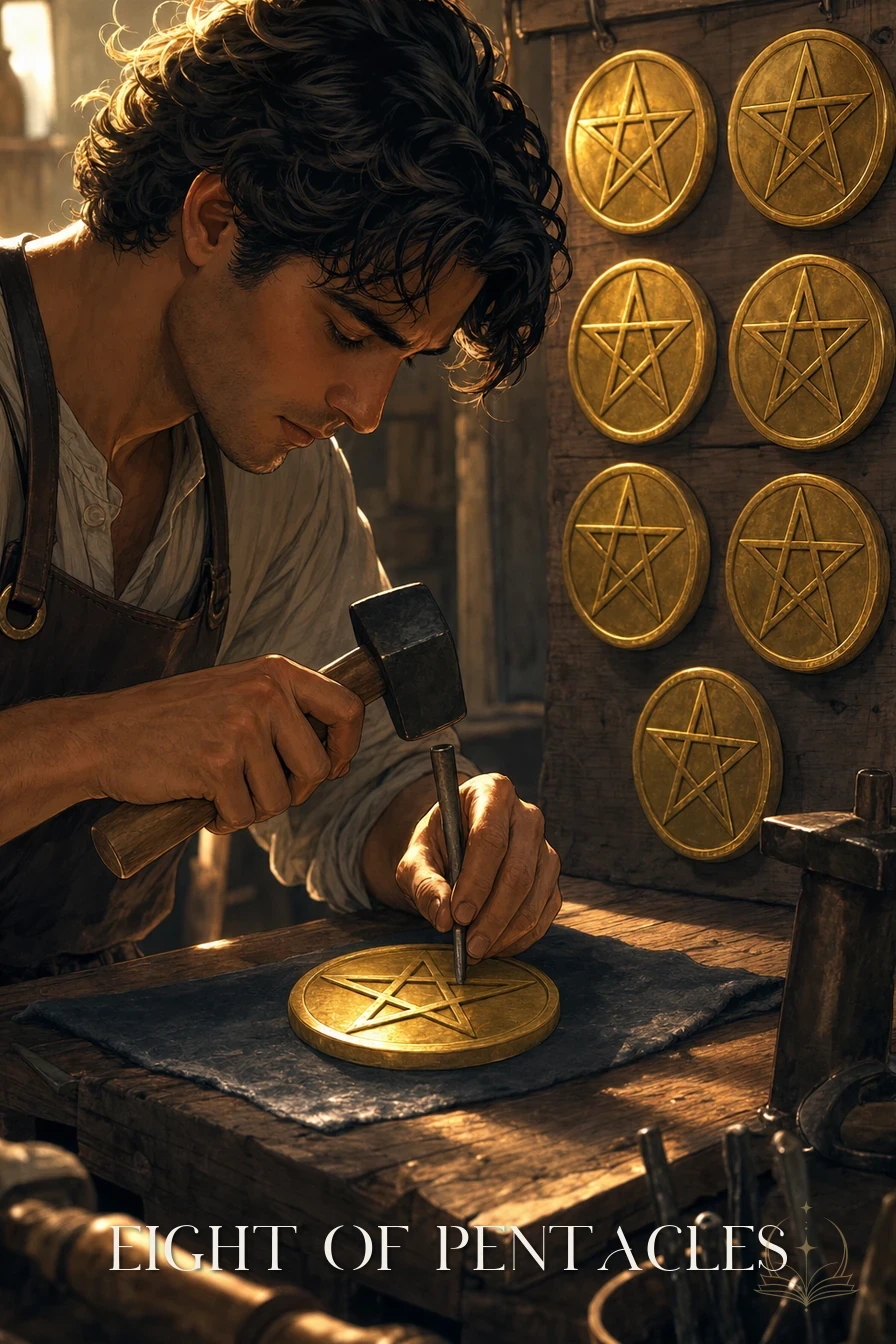
AuLun reads from the Rider–Waite–Smith tradition — the 1909 deck illustrated by Pamela Colman Smith, whose art is the visual grammar most modern tarot still speaks, and who spent most of a century under-credited for it. Our symbols and meanings start there: the canon, the imagery, the accumulated weight of what each card has come to mean.
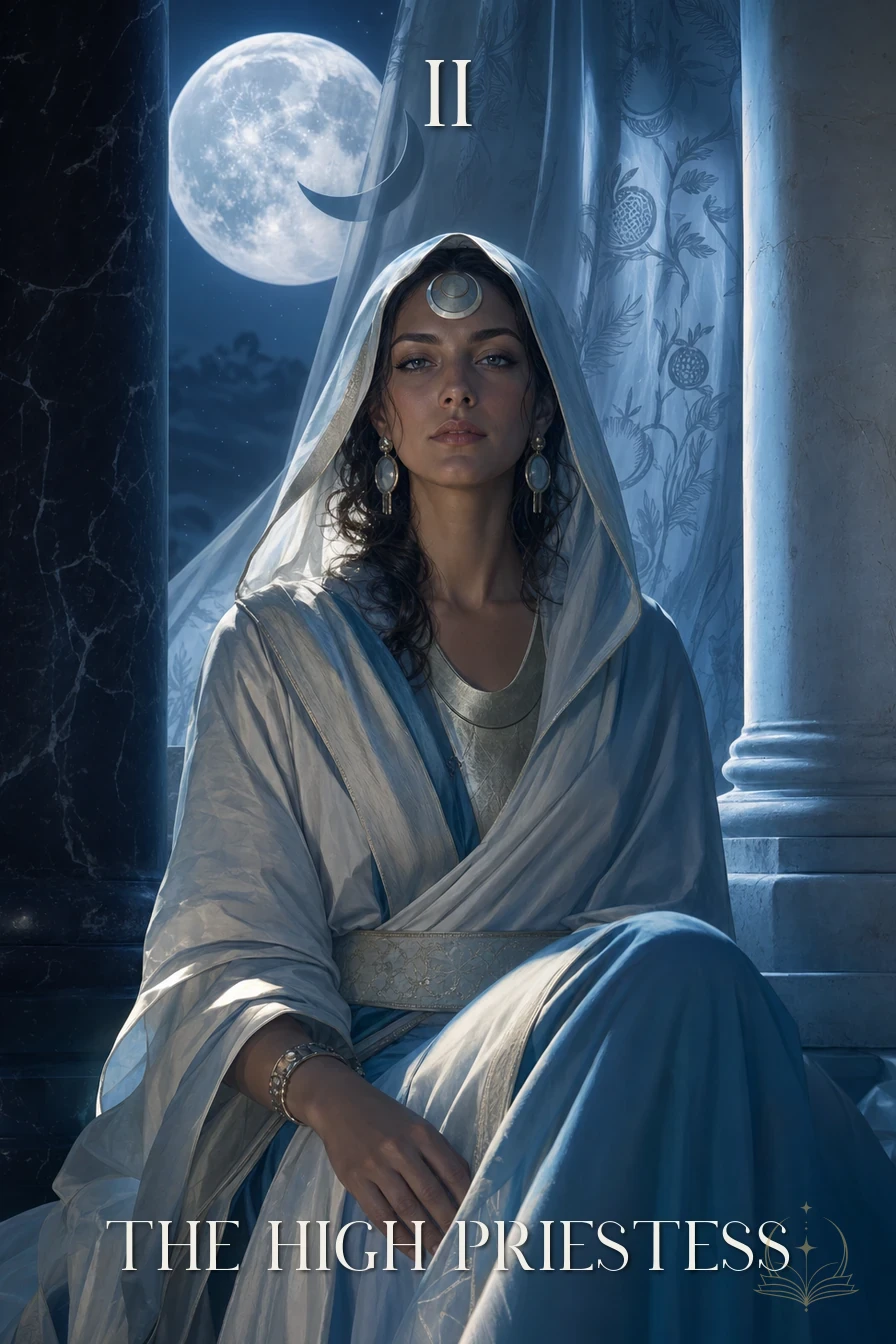
But we deal from AuLun Original, our own deck. Where our practice has taught us a card carries something the canon doesn't, we follow our practice. Those deviations are deliberate and specific, earned at the table over years of reading, not redecorating for its own sake. RWS is the language. The dialect is ours.

The sky.
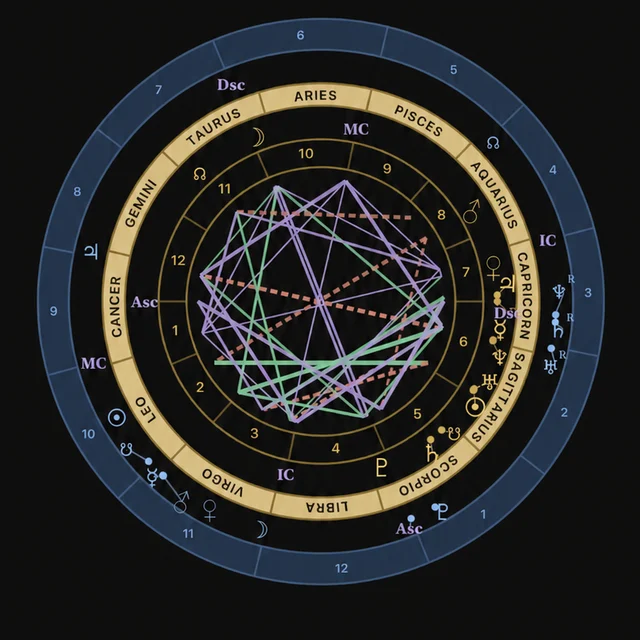
Our charts are computed with AuLun Ephemeris — our own engine. It doesn't approximate: it reads NASA’s DE441 planetary solution — the same data NASA uses to plan spacecraft trajectories — exactly as published, and every release is certified against NASA’s own reference software to millionths of an arcsecond. That’s several million times closer to the reference than the decades-old engine most astrology software still runs on, and unimaginably finer than any orb a reading actually uses — which is the point: the astronomy is never the weak link. The engine is public — on npm, free to use, with free attribution-based licenses for commercial products. We default to the tropical zodiac and the Placidus house system, the most widely used setup in modern Western astrology, so your chart lines up with what most readers and references will show you. House systems are a genuine open question in the field, which is why you can change yours in AuLun if Placidus isn't your tradition.
Astrology is older than tarot by a long way, and we read it as the deep, technical system it is: placements, angles, aspects, houses, transits, the works.
The threads.
Here's where AuLun's astrology actually differs. Not in what we read, but in how much of it we read at once.
A lot of astrology gets delivered in segments: here's your sun sign, here's a transit, here's an aspect, each in its own tidy box. We don't leave them in boxes. The forensic method is built to draw the threads between those sections: how a transit lands differently given a natal placement, how an aspect in your chart talks to the same aspect in someone else's, how the pieces compound instead of sitting in a list. Body to body, angle to angle, placement to placement, and then the connections between them, which is where the actual reading lives.
Most tools stop at the segments. We think the segments are where the reading starts.

Where we diverge.
Here's the honest part.
Most of tarot's history is divinatory — the cards as a window onto what's coming. We don't read that way. AuLun treats a spread as evidence, not prophecy: what fell, how it relates, what's load-bearing, what's noise. The throughline isn't a prediction we uncovered. It's a pattern we resolved from the cards in front of us.
That puts us at a deliberate angle to a lot of the tradition we owe everything to. We keep the imagery, the correspondences, the centuries of accumulated meaning. And then we refuse the part where the cards tell you what to do. They don't. They show you the shape. You bring the people, the stakes, and the decision.
Same for astrology. We're not in the business of fate written down and notarized. Your chart is the weather and the terrain, read carefully. What you do in it is yours.
If that sounds less magical, we'd argue it's the opposite. Taking these systems seriously enough to read them with rigor is its own kind of reverence.

The words.
A few of our names are borrowed and worth crediting. “All knowledge is worth having” is Jacqueline Carey's, from Kushiel's Dart. It's been our orientation since long before AuLun had a name. And “forensic” is borrowed straight from investigation: chain of custody, what's load-bearing, what's evidence versus noise. Tarot didn't give us that framing. We brought it to the cards.
The people.
AuLun was built by two people passionate about divinatory practices and their applications to psychological constants. Two people who are chronically curious, who built the ecosystem for these tools that they couldn’t find elsewhere. The methodology, the voice, the interpretations are all based on their practices and experiences with these tools.
All knowledge is worth having — including the knowledge of what these cards can honestly do, and what they can't.